
Although Budapest does not receive as much attention as cities like Paris or Rome, it certainly doesn’t lack in beauty or historical heritage. Above all, it is a city that surprises. Divided by the Danube and shaped by the legacy of the Austro-Hungarian Empire, it hides secrets that go far beyond what it reveals at first glance, and which only emerge if you take the time to look for them. It is a perfect city to explore at a leisurely pace while discovering some of the most impressive architecture in Europe.
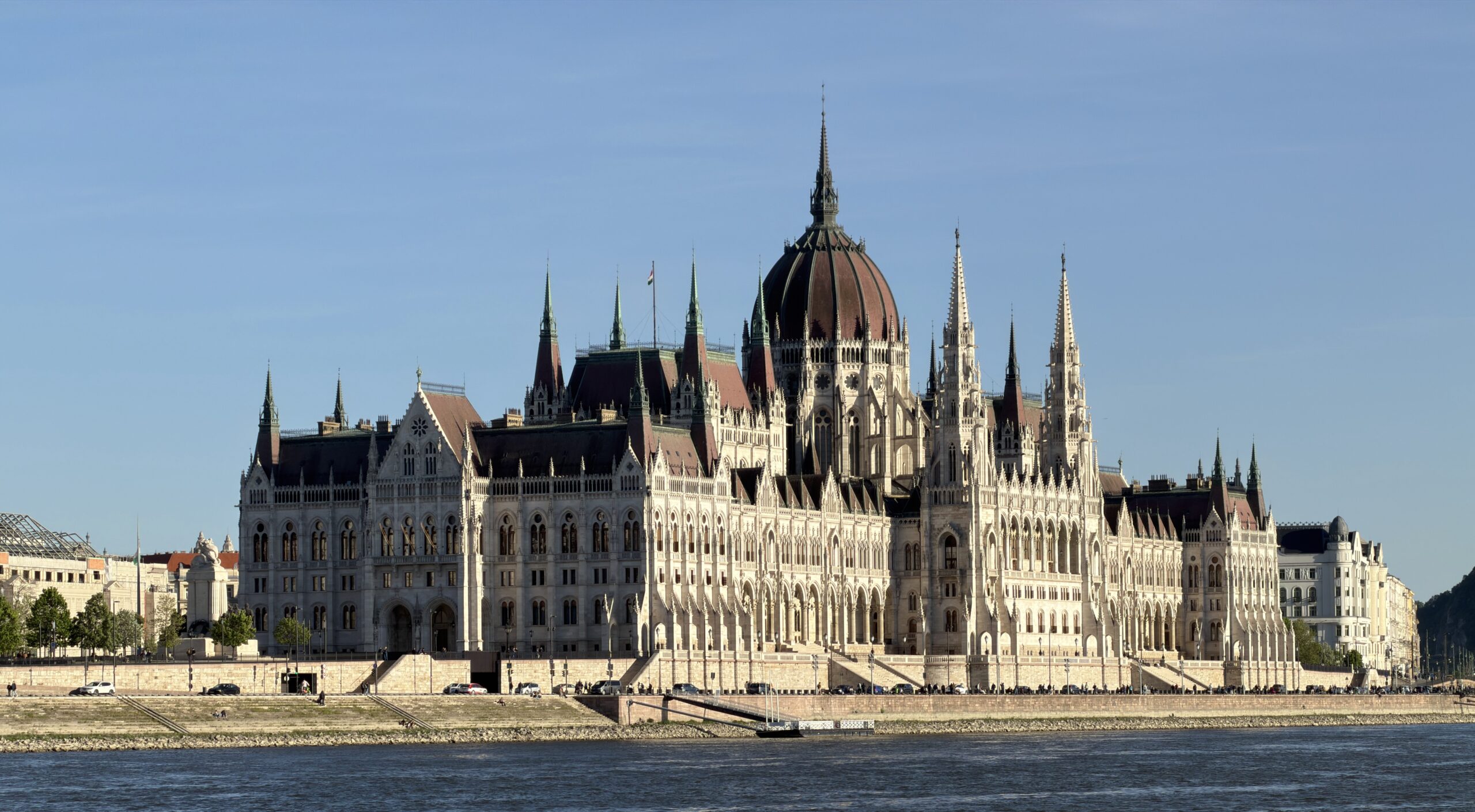
During my visit, I found that one of the best ways to explore Budapest is on foot. The city is easy to walk around and its architecture is remarkable, inviting you to experience it slowly and appreciate the buildings with the attention they deserve. Budapest is also more manageable than many other major European capitals, allowing you to organise your days with considerable freedom and without lengthy journeys. This also makes it much easier to stumble across places you never expected to find.
One of the most surprising aspects of Budapest is how successfully it has reinvented itself without losing its character. The city has invested considerably in recent years in restoring some of its most emblematic landmarks, offering returning visitors an entirely different perspective. Its most representative buildings, such as the Hungarian Parliament, were built to rival Vienna and reflect the grandeur of the former Austro-Hungarian Empire, combining Neo-Gothic, Art Nouveau and Neoclassical styles.
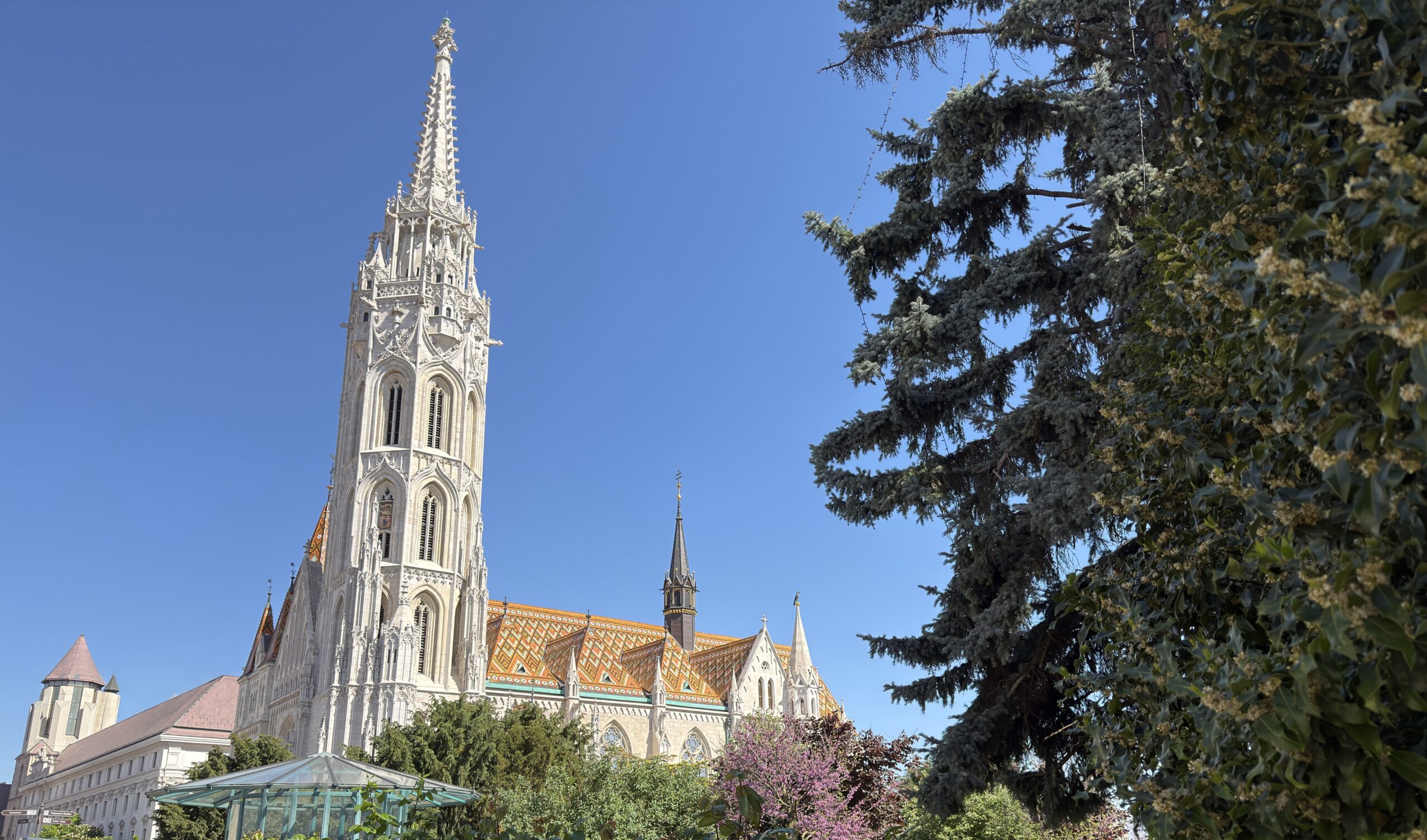
The Habsburg influence can also be seen in landmarks such as the Chain Bridge and Buda Castle, rebuilt in the 19th century under the patronage of Empress Sisi. Many of the city’s finest hotels occupy former banks and palaces, offering the opportunity to stay in historic buildings without sacrificing modern comfort.
One experience I particularly recommend is a cruise along the Danube. Although many people choose to do this at night, I would suggest going at sunset. It may sound somewhat clichéd, but the sunsets I witnessed in Budapest during April were genuinely spectacular. Combined with the cruise, they create an almost cinematic atmosphere and provide a privileged perspective from which to admire the city’s buildings. Seeing Budapest from the water in that light was one of those surprises no guidebook can really prepare you for. Travelling outside the peak season also means that both the boats and the streets can be enjoyed in a much more relaxed atmosphere.
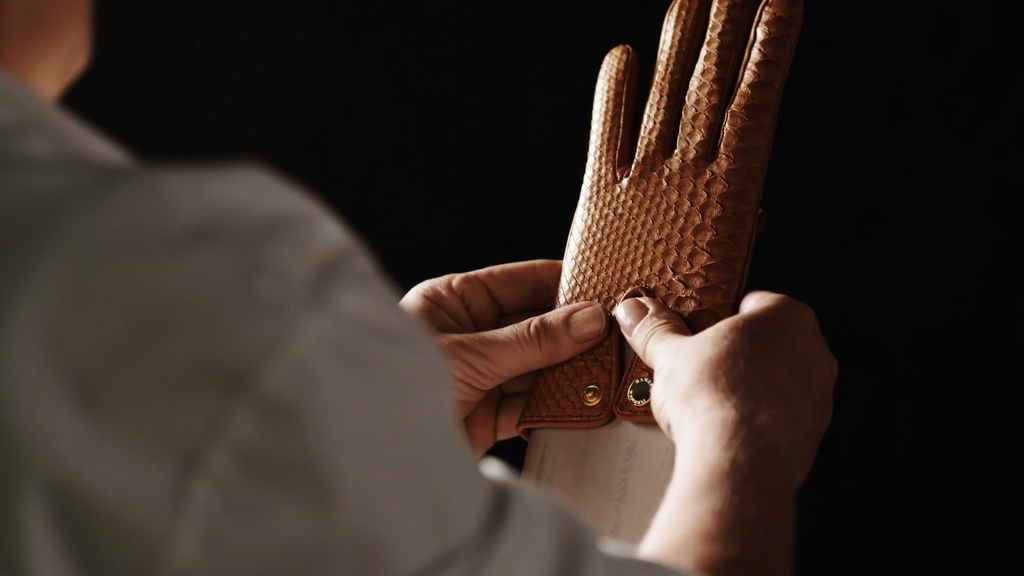
Beyond its best-known monuments, Budapest also hides places that many travellers overlook. The Metropolitan Ervin Szabó Library, housed in the former Wenckheim Palace, is particularly striking for its elegant Neo-Baroque rooms. It is also worth visiting the historic Hamerli factory to discover how its famous gloves are still made by hand, preserving a tradition that has continued for generations.
With a few extra days, the surroundings of Budapest also offer some fascinating experiences. The Pál-völgyi caves, part of Hungary’s longest cave system, offer different routes depending on how adventurous you are feeling. For a more relaxed excursion, the Tokaj wine region provides an opportunity to discover some of the country’s most prestigious wineries and taste its renowned sweet wines. Here, centuries-old cellars sit alongside striking examples of contemporary architecture, such as Sauska — surroundings that can prove almost as surprising as the city itself.
Budapest is much more than a city of grand monuments. It is a destination filled not only with history and remarkable architecture, but also with small secrets that turn every walk into a new discovery. Despite sometimes being overlooked, Budapest has the ability to surprise even those who have visited before.