
Having visited India many times, I had long wanted to explore Ladakh. Everything I had seen and read suggested somewhere quite different from the India I already knew, and my journey there in April confirmed that impression. Often called “Little Tibet”, Ladakh has deep cultural ties to its neighbour, evident in the Tibetan heritage of many Ladakhis, its Buddhist traditions and its architecture. Hilltop monasteries, prayer flags and stark mountain valleys recalled the Tibet I had visited many years before.
The flight into Leh provides a spectacular introduction, with a bird’s-eye view of the Himalayas unfolding beneath you: jagged peaks and glaciers carving their way down deep valleys in a seemingly endless expanse of rock, snow and ice. On arrival, snow still covered the high mountains, while the first signs of spring were beginning to soften the valleys below.
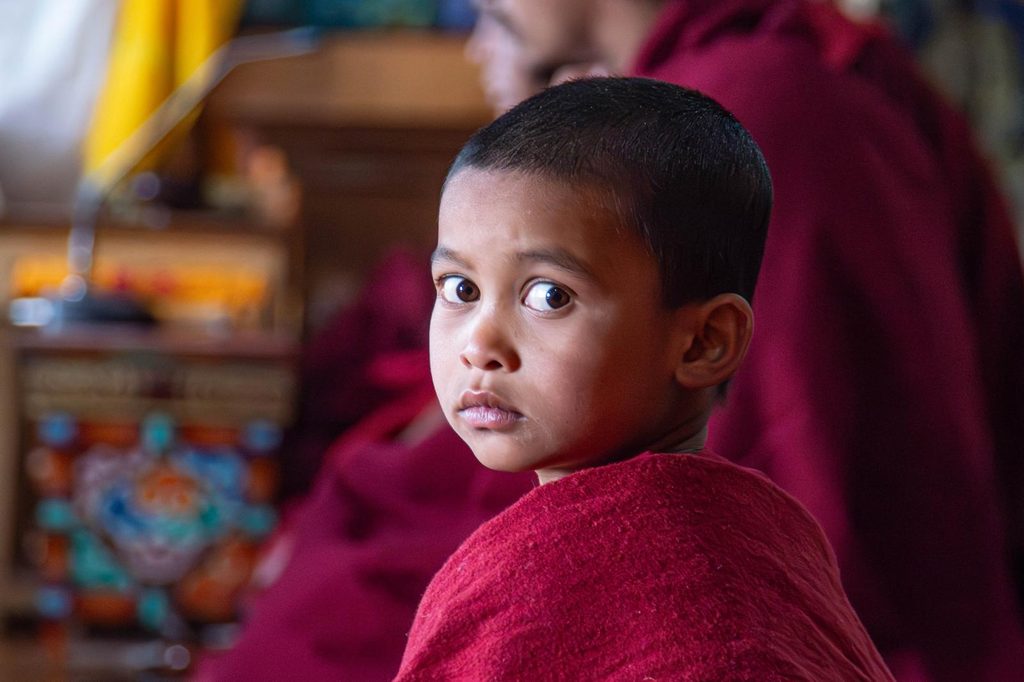
Leh is a natural starting point. Its nine-storey palace dominates the town, and exploring its rooms and terraces rewards you with wonderful views across the valley. I particularly enjoyed walking back down towards the old town through a maze of narrow alleyways. A stop at the Central Asian Museum proved an unexpected highlight. Housed in a beautiful four-storey building inspired by traditional Himalayan architecture, its collection of clothing, photographs and everyday objects offers a glimpse into Leh’s rich past as a trading hub on the Silk Road.
Buddhist monasteries are central to a journey here, but visiting too many in quick succession can blur their differences. I would choose a few and dedicate more time to each. Thiksey offers the opportunity to observe morning prayers and rituals, while Hemis sits tucked into the mountains. Alchi, my favourite, deserves particular attention. Its small temples feel very different from the larger monasteries, with intricate sculptures and walls covered in finely detailed paintings. There is a great deal to absorb, and every reason to linger.
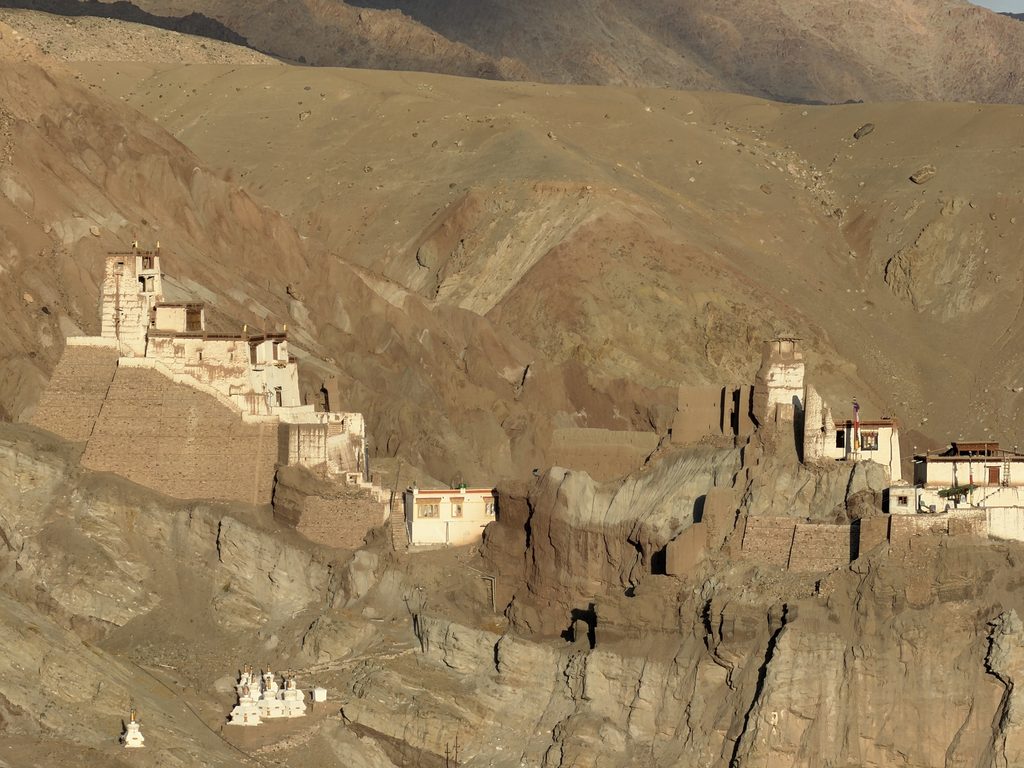
The journey into the neighbouring Nubra Valley brings another change of scene. Crossing the high pass can be slow in April, with snow still affecting the road. Beyond it, a broad valley opens amid three imposing mountain ranges: the Ladakh, Karakoram and Saltoro. Their snow-covered peaks give the landscape an extraordinary grandeur, while the valley floor offers unexpected contrasts. Near Hunder, soft grey dunes lie beneath the mountains.
Diskit Monastery merits a visit for its dramatic position and old assembly halls, but I would also encourage exploring the quieter side of Nubra around Sumur. Reached along a slow dirt road, Ensa Monastery has a peaceful atmosphere, with old stupas scattered across the hillside. I thoroughly enjoyed a short hike above the monastery, where the scale of the surrounding mountains became all the more apparent.
The walk ended with a descent to the banks of the Nubra River. A short drive later, I arrived at Tsering’s house, near the village of Panamik, for lunch. Sharing food and conversation with him and his family in such a relaxed, welcoming setting opened up a side of Ladakh I would otherwise have missed.
Ladakh fulfilled my curiosity about another side of India. Although this high-altitude landscape can feel harsh, forbidding and cold, what stayed with the most was the warmth and kindness of the people I met.